

How to Collaborate with Project Sponsors Without Constant Meetings


Let’s start by admitting that coordinating with a sponsor throughout a project is tough.
You schedule weekly check-ins. By month two, you’re talking to yourself.
Your sponsor arrives late, multitasks through calls, and constantly reschedules because something more urgent came up.
And here’s the tension this creates:
- Decisions delayed for weeks
- Progress stalled waiting for sign-off
- Projects lose momentum during calendar coordination
Well, your sponsor doesn’t want these meetings either. They’re managing multiple projects, fighting fires, and barely have room in their calendar.
So the problem isn’t meetings; it’s treating them as the only way to collaborate.
In this guide, we’ll show you how to keep sponsors informed, engaged, and ready to act when needed without drowning everyone in status calls.
Let’s dive in.
Why Does Project Sponsor Collaboration Involve Frequent Meetings?
When you collaborate with a sponsor, meetings quickly become the default.
And honestly? It’s not hard to see why.
A project sponsor is the senior executive ultimately responsible for the outcomes and approving key decisions throughout the project management lifecycle.
Here’s how their responsibilities show up stage by stage.
The project initiation phase
At this initiation phase, sponsors approve the business case and project charter, set clear goals, define scope boundaries, and champion the project at kickoff to secure stakeholder buy-in.
The project planning phase
During planning phase, they validate the project plan, approve timelines and milestones, identify potential risks early, and set baseline metrics for tracking performance.
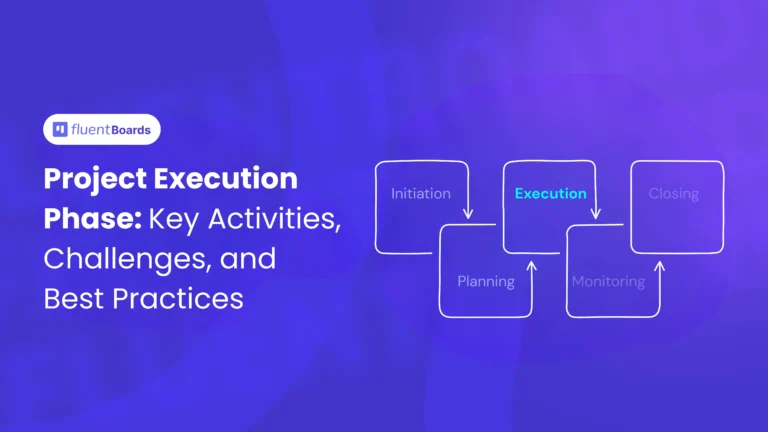
The project execution phase
Throughout execution, sponsors track progress against the plan, approve additional resources when needed, resolve conflicts, and ensure stakeholders stay informed through regular updates.
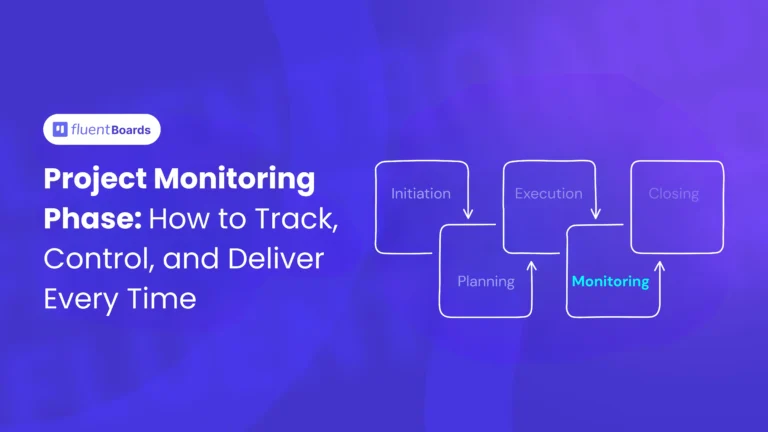
The project monitoring phase
Once execution is underway, they monitor KPIs to spot gaps early, adjust budgets or timelines as priorities shift, verify deliverables, and support project managers with escalated issues.
The project closing phase
When the project wraps up, sponsors evaluate deliverables against business goals, approve project handoffs, sign off on payments, and lead post-mortem reviews to capture lessons learned.
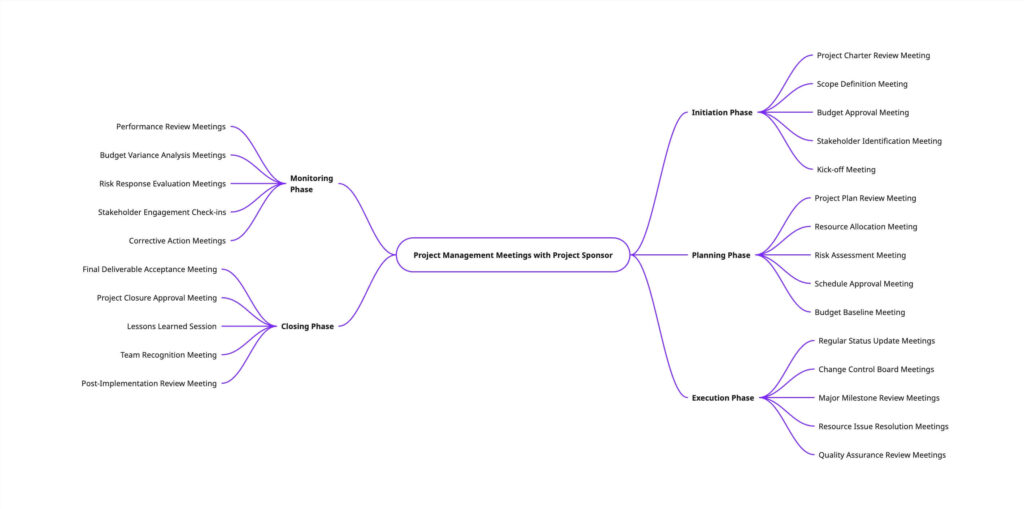
With responsibilities spanning across all these stages, here’s a breakdown of the potential meetings mind map that can happen throughout the project:
Learn more about what a project sponsor is
The Hidden Cost of Meeting-Heavy Sponsor Collaboration
Project managers spend a surprising amount of time just communicating.
According to PMI research, nearly 90% of a project manager’s time goes into communication.
Now, when you look at sponsor collaboration across the project lifecycle, it starts to make sense.
From initiation to closure, sponsors are involved in approvals, decisions, reviews, and escalations. Each responsibility creates a natural reason to “sync.”
And as the mind map shows, meeting opportunities appear at every stage.
But here’s where things quietly break down. Too many meetings create friction on both sides:
- Decisions wait for scheduled calls
- Updates need calendar coordination
- Critical info gets buried in meeting notes
- Teams lose focus switching between calls
The misconception behind all this: we think collaboration has to happen in real time.
Well, when you look at what sponsors actually need:
- Strategic visibility
- Quick decision-making
- No surprises
- Minimal time investment
None of these requires constant meetings.
That said, real-time discussions work for complex decisions and high-priority moments. Everything else can move forward with the right systems in place.
Level up your WordPress project management game with this Trello equivalent solution – where limitless possibilities come at an unbeatable price!
How to Collaborate With Project Sponsors Without Constant Meetings
So how do you keep sponsors informed and engaged without filling up calendars? The answer is async-first collaboration.
Here’s the fundamental shift-
Give sponsors clear visual progress
When sponsors need to know where the project stands, the default response is usually “Let’s schedule a call.”
Well, clear board visibility removes that need.
When progress is visible in one place, sponsors don’t have to ask for updates or wait for meetings. They can check the board, understand the status, and move on.
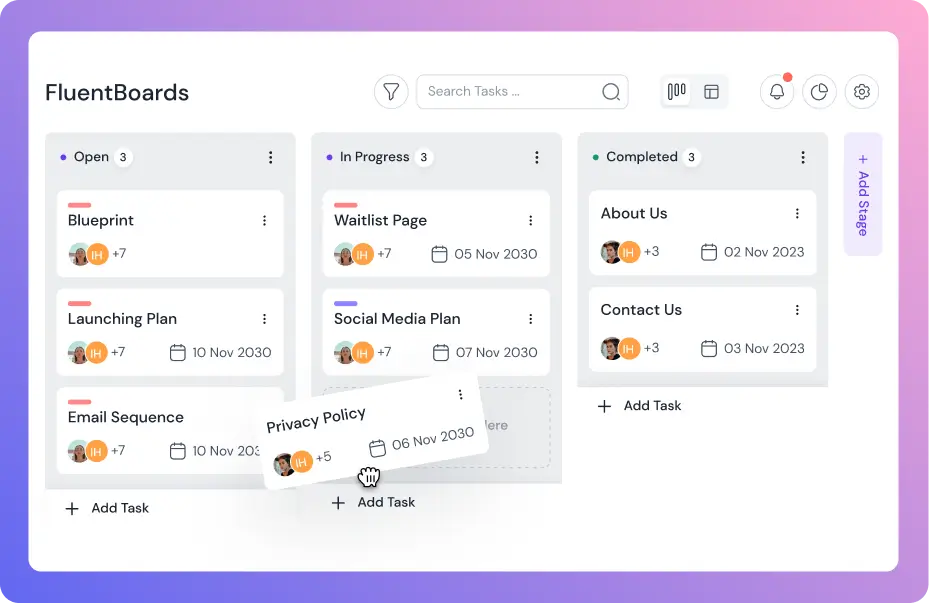
You can offer sponsors different board views based on how they prefer to review information:
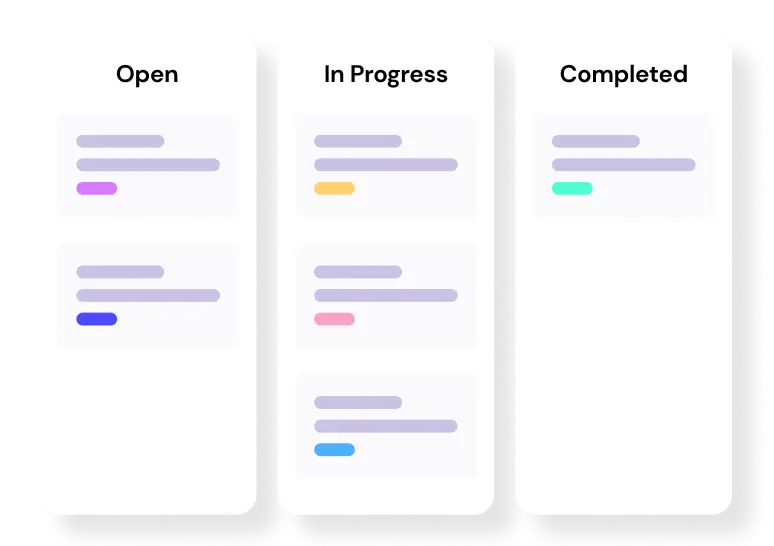
- Kanban for workflow stages
- List for simple tracking
- Table for structured data
- Calendar for timeline view
Among these, table view works especially well for strategic oversight. It lets sponsors scan priorities, owners, statuses, and timelines in seconds without discussion, explanation, or meetings.
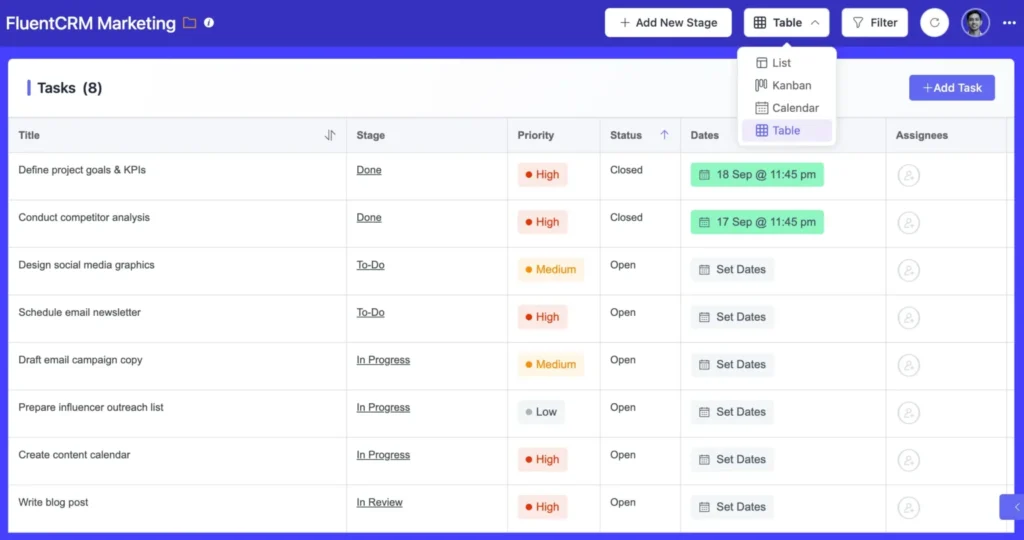
This kind of visibility keeps collaboration moving, even when calendars don’t align.
Provide strategic health overview
Give your sponsor a single place to check project health whenever convenient. Before a board meeting, during morning coffee, between flights.
And the Reports Dashboard delivers this.
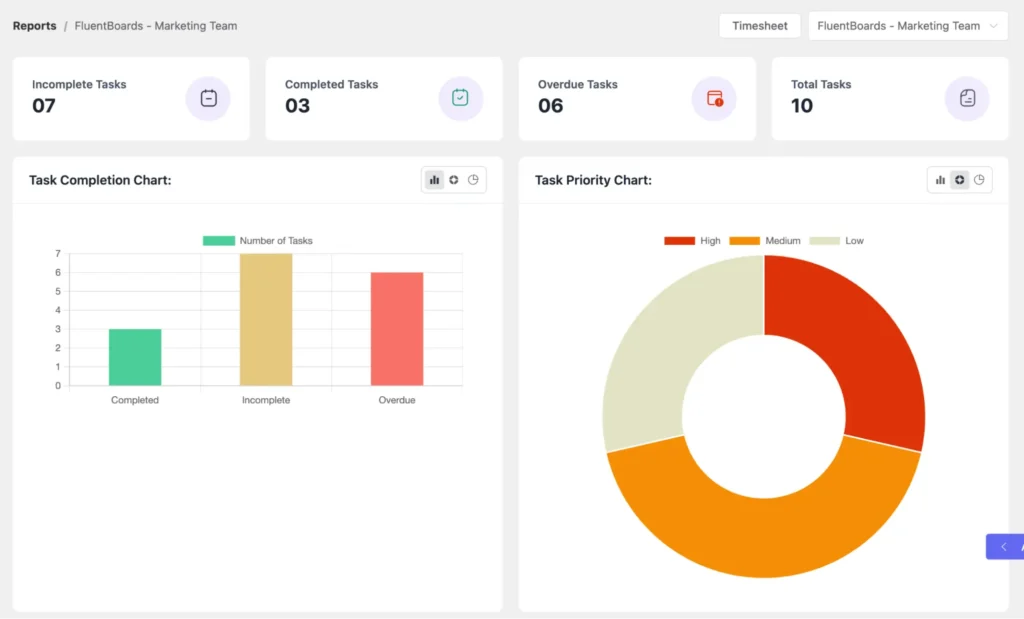
Visual charts show task completion, priority breakdowns, and overdue items. Sponsors scan these metrics and immediately see what needs attention and what’s under control in seconds.
This dashboard becomes your sponsor’s window into project health. They check it in two minutes and know everything they need to know.
Instead of scheduling status calls to answer “Are we on track?”, sponsors get the answer themselves whenever they need it.
Keep sponsors in the loop
Sponsors often need to stay informed on critical tasks, but pulling them into every planning session doesn’t make sense.
That’s where watchers come in.
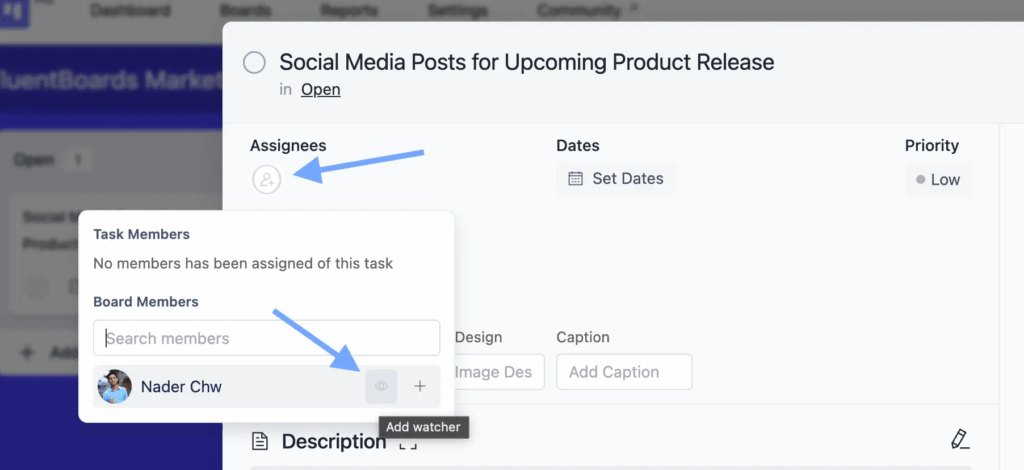
Add your sponsor as a watcher on key tasks. They receive automatic notifications when comments are added, stages change, or deadlines shift.
Plus, watchers see everything but can’t change anything. Your sponsor gets complete visibility into progress and decisions without accidentally moving cards or editing details.
So when something needs their attention, they’re already up to speed. No catch-up meetings required.
Streamline sponsor decisions
Most sponsor meetings happen for one reason: approval or direction.
Well, those decisions don’t actually need a scheduled call when all the context is already sitting in the task.
Use comments and mentions to keep sponsor feedback exactly where it belongs. Tag your sponsor with @mention on the specific task needing input.
They review when it fits their schedule, respond directly, and the decision stays attached to the deliverable.
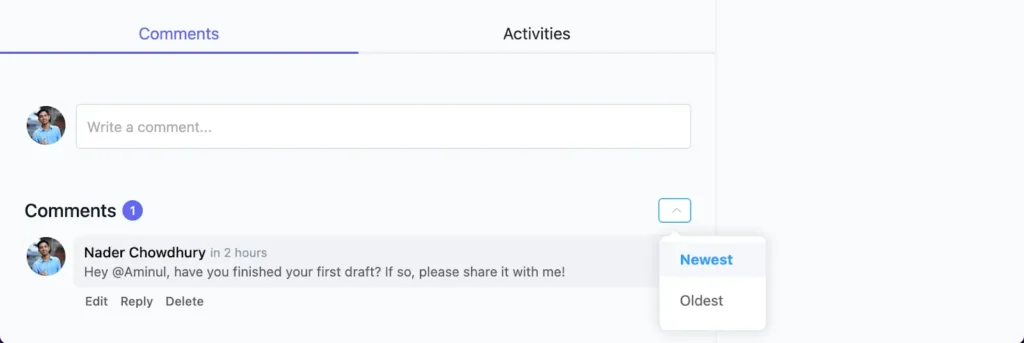
This way, your project team sees the instruction immediately without you playing middleman. No calendar coordination, no follow-up emails, no meeting required.
Give sponsors a view-only window
If a sponsor has to “ask” for updates, meetings become the shortcut.
Instead, give them a view-only portal link to the board.
This way, they can check progress before a board discussion, between meetings, or whenever they get a free moment.
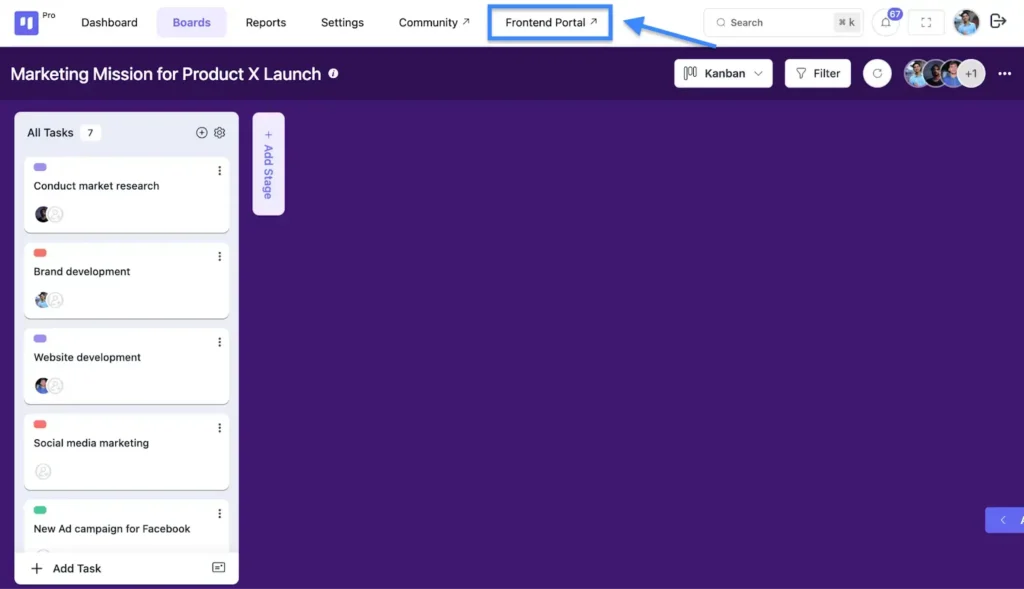
You stay in control of editing, and they still get clarity without pulling you into a status call.
Making Meetings Count When You Do Have Them
Async-first doesn’t mean meeting-never. When you do schedule time with your sponsor, make it valuable.
Monthly Strategic Reviews
Replace frequent tactical meetings with less frequent strategic ones. Monthly or quarterly works for most projects.
Use this time to step back from daily operations. Are we still aligned with business goals? Have priorities shifted? Do we need to adjust our approach?
Come prepared. Send materials at least two days in advance so your sponsor can review and come ready to discuss.
Keep these meetings focused on strategy and direction, not task updates.
Decision Meetings
When you hit a decision point that requires sponsor input, request focused time specifically for that purpose.
Prepare a decision brief in advance. What’s the situation? What are the options? What do you recommend and why?
Use the meeting time for discussion and decision-making, not information download.
Document the decision immediately afterward. This creates a record and ensures alignment on what was decided.
Step into the Future of Project Management!
Never Skip Kickoff and Closure
Two meetings are non-negotiable.
Kickoff establishes shared vision, confirms goals, aligns expectations. Skip this and you’ll spend months dealing with misalignment.
Closure captures lessons learned, celebrates wins, ensures proper handoff. Skip this and you lose valuable learning.
Collaborate Smarter, Not More
Project sponsor collaboration doesn’t require constant meetings. It requires clarity about what sponsors actually need, systems that deliver information efficiently, and judgment about when real-time discussion adds value.
When you shift to async-first collaboration, you give sponsors what they want: strategic visibility, efficient decision-making, and confidence in your project without calendar carnage.
The result?
Sponsors who stay engaged. Decisions that happen faster. Projects that maintain momentum.
You don’t need more meetings with your sponsor. You need better collaboration.
Thanks for reading, and here’s to smoother projects and engage!
Let’s redefine project management with FluentBoards!

Follow:


Get Tips, Tricks, & Updates
We won’t send you spam.




Leave a Reply